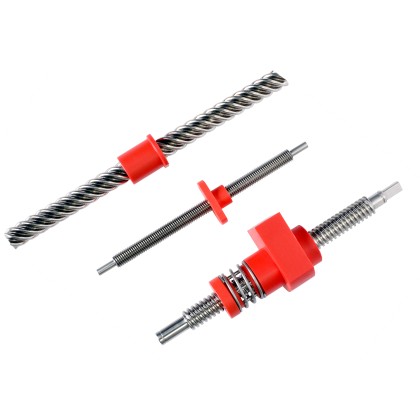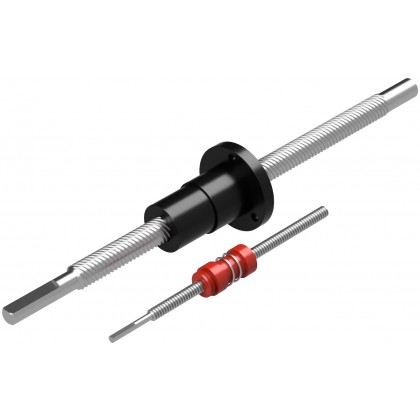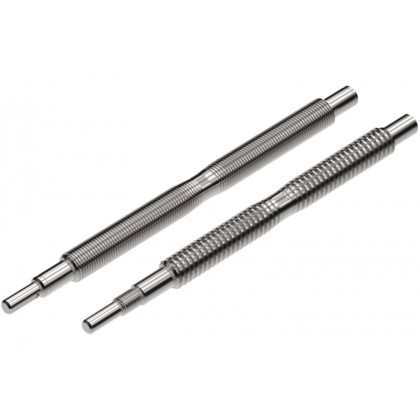
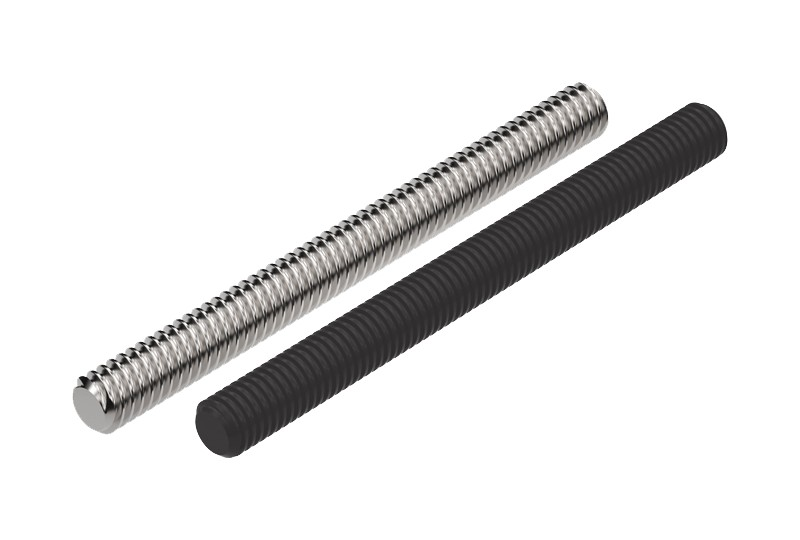
• Precision Lead screws
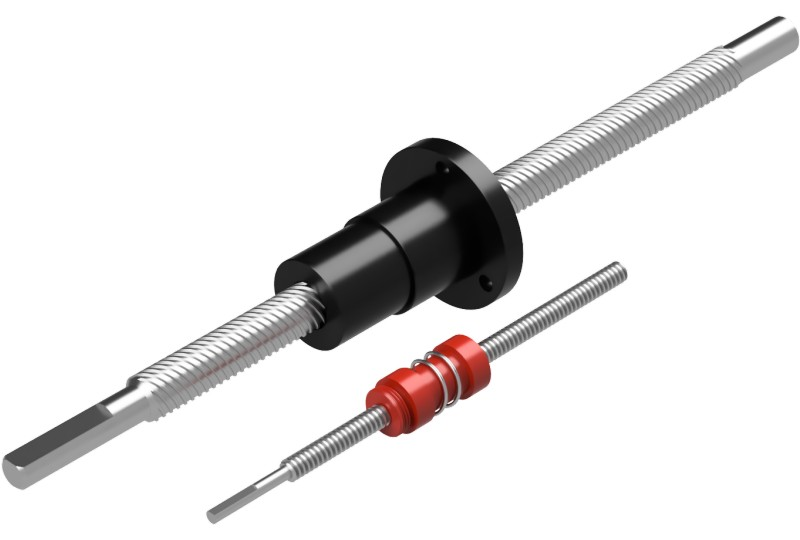
  • Twin Lead Screws
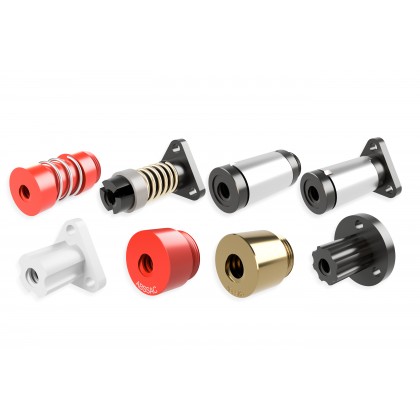
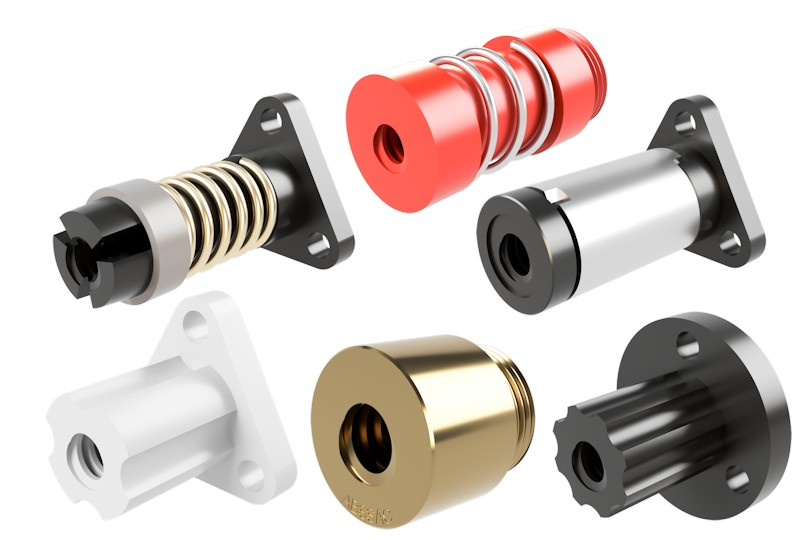
  • Lead Screw Nuts
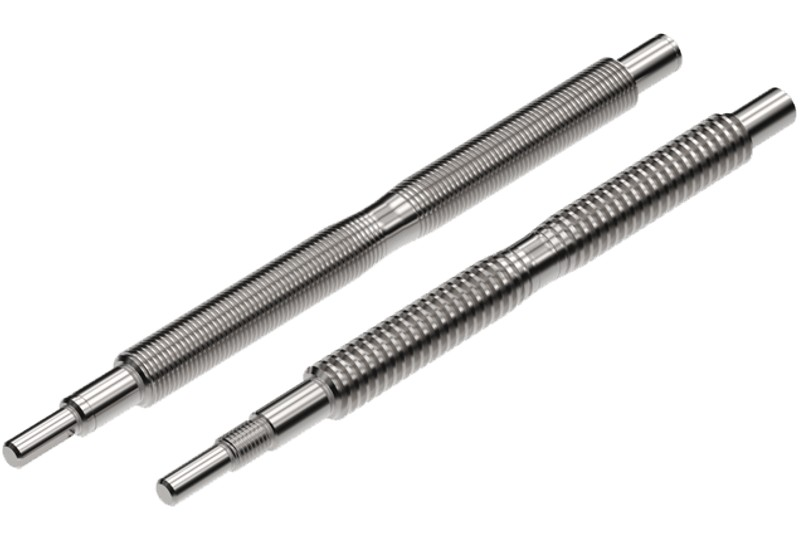
  • Helix Lead Screws

Precision Lead Screws & Nuts

A comprehensive selection of precision lead screws, including power, miniature, and high helix thread forms.

  • Stock and custom designs
  • A complete solution at the right price
  • Established supplier of over 40 years
  • End machining services available
00:00 / 01:00

continue

Key product advantages

  • Precision rolled lead screws
  • Acme, Trapezoidal, High Helix and custom threads
  • Bronze or Polymer Nuts, including anti-backlash designs
  • Unparalleled quality, supported by application experience
  • Full end machining service
  • Custom designs & reverse engineering
  • ROMI CNC Turning Centre offers unique integral C axis milling
  • Left hand and Right hand threads
  • Linear guide rails to support any leadscrew application
  • Support bearings, Racks, splines, and more available

Frequently Asked Questions

What are the different types of lead screws available?

ABSSAC offers a variety of lead screws, including trapezoidal, ball, and roller screws. Each type has its own advantages and disadvantages, so the engineer needs to choose the right one for their application.

  • Trapezoidal lead screws are the most common type. They are self-locking, which means that they can hold their position without the need for a brake. They are also relatively inexpensive.

  • Ball screws are the most precise type of lead screw. They have lower friction than trapezoidal screws, which makes them better suited for applications that require high accuracy. However, they are also more expensive.

  • Roller screws are a hybrid of trapezoidal and ball screws. They offer the self-locking ability of trapezoidal screws and the precision of ball screws. However, they are more expensive than trapezoidal screws and less precise than ball screws.
ABSSAC

What are the factors to consider when choosing a lead screw?

The engineer needs to consider the following factors when choosing a lead screw:

  • The load capacity of the screw. This is the maximum weight that the screw can support.
  • The speed of the screw. This is the maximum speed at which the screw can move.
  • The accuracy required. The engineer needs to specify the desired accuracy of the screw movement.
  • The environment in which the screw will be used. The engineer needs to consider factors such as temperature, humidity, and corrosiveness when choosing a lead screw.
  • The budget. The engineer needs to consider the cost of the screw when making their decision.
ABSSAC

What are the different lead screw materials available?

ABSSAC offers lead screws in a variety of materials, including stainless steel, aluminium, and bronze. The material of the screw will affect its strength, durability, and cost.

  • Stainless steel is the most common material for lead screws. It is strong, durable, and corrosion-resistant.

  • Aluminum is less expensive than stainless steel, but it is not as strong or durable.

  • Bronze is a good choice for applications that require high wear resistance.
ABSSAC

What lead screw finishes are available?

ABSSAC offers lead screws with a variety of finishes, including rolled, ground, and polished. The finish of the screw will affect its accuracy and smoothness of movement.

  • Rolled finish is the most common finish. It is less expensive than ground or polished finishes, but it is not as precise.

  • Ground finish is more precise than rolled finish, but it is also more expensive.

  • Polished finish is the most precise finish, but it is also the most expensive.
ABSSAC

What accessories are available for lead screws?

ABSSAC offers a variety of lead screw accessories, including nuts, bearings, and couplings. These accessories can help to improve the performance and lifespan of the lead screw.

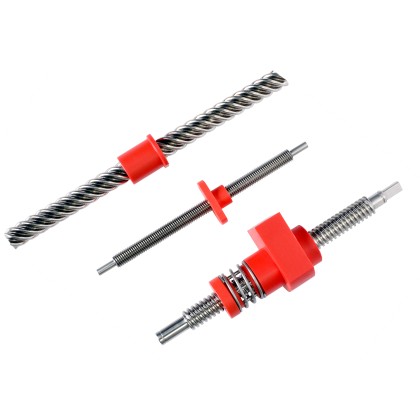
  • Nuts are used to transmit the motion of the screw to the load.

  • Bearings support the screw and reduce friction.

  • Couplings connect the screw to other components, such as motors and gears.
ABSSAC
x
check for webp support